In an era where digital landscapes are often cluttered with excessive information and distractions, minimalist web design has emerged as a refreshing antidote. Characterized by simplicity, clarity, and functionality, this design philosophy has gained significant traction and appeal across the web development community and among users worldwide.
At its core, minimalist web design revolves around the concept of "less is more." It strips away all unnecessary elements to focus on content and essential features, allowing the design to breathe and deliver a coherent and impactful message. This approach not only enhances aesthetic appeal but also significantly improves the user experience.
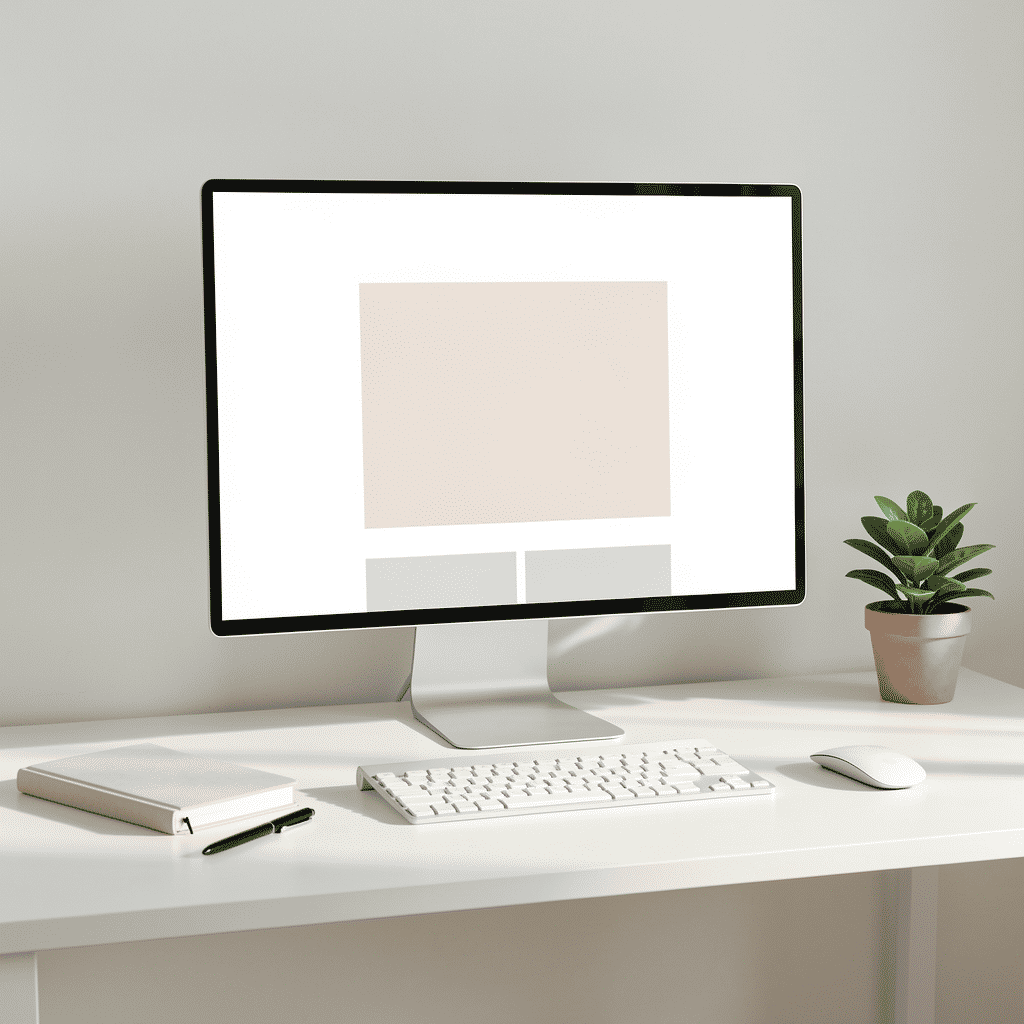
A key aspect of minimalist web design is its emphasis on clean, simple aesthetics. Utilizing ample white space, a limited color palette, and straightforward typography, these designs are easy on the eyes and help guide users' attention to key elements on a webpage. White space—or negative space—creates a sense of calm and balance, allowing users to navigate the site intuitively and with minimal distraction.
Furthermore, the restrained use of colors and fonts ensures that a minimalist design does not overwhelm the user. By choosing a few complementary colors and sticking to one or two typefaces, designers can create a visually cohesive experience that emphasizes functionality and clarity. This simplicity makes content more accessible, helping users quickly find the information they seek, which is particularly important in a time when attention spans are notoriously short.
Minimalist web design also boosts accessibility, an increasingly essential consideration in the web development realm. By focusing on clear, straightforward layouts, minimalist sites can better accommodate users with disabilities, such as those who rely on screen readers or require high contrast for better readability. By eliminating superfluous elements, these sites are generally faster to load, offering an additional layer of user convenience and accessibility.
In terms of user experience, minimalist web designs prioritize ease of navigation. With fewer elements competing for attention, navigation menus remain clear and concise, ensuring users can find their way around the site effortlessly. This seamless flow enhances user satisfaction and engagement, ultimately achieving higher retention rates and fostering a more meaningful interaction with the website's content or services.
A particularly compelling reason for the growing interest in minimalist design is its adaptability to mobile devices. As the world experiences a shift towards mobile-first browsing, minimalist designs easily transition to smaller screens, offering a consistent and efficient experience across various devices. This compatibility is crucial for websites aiming to maintain broad appeal and accessibility in an increasingly mobile-centric digital realm.
Beyond the logistics and mechanics of design, minimalist web design aligns with a broader societal trend towards simplicity and sustainability. In a world inundated with information and overconsumption, there is a cultural shift towards minimalism, valuing quality over quantity. This design trend resonates with audiences seeking serenity and authenticity in their digital interactions, providing them with a virtual space that feels as clean and organized as it looks.
In conclusion, minimalist web design is more than a fleeting trend; it represents a paradigm shift in how digital environments are conceived and experienced. By championing simplicity, clarity, and user-centric approaches, minimalist designs enhance usability and accessibility while fostering a tranquil, efficient web experience that appeals to contemporary tastes and needs. As digital design continues to evolve, the principles of minimalism will likely remain a foundational influence, guiding designers towards creating digital spaces that are not only visually appealing but also profoundly functional and inclusive.