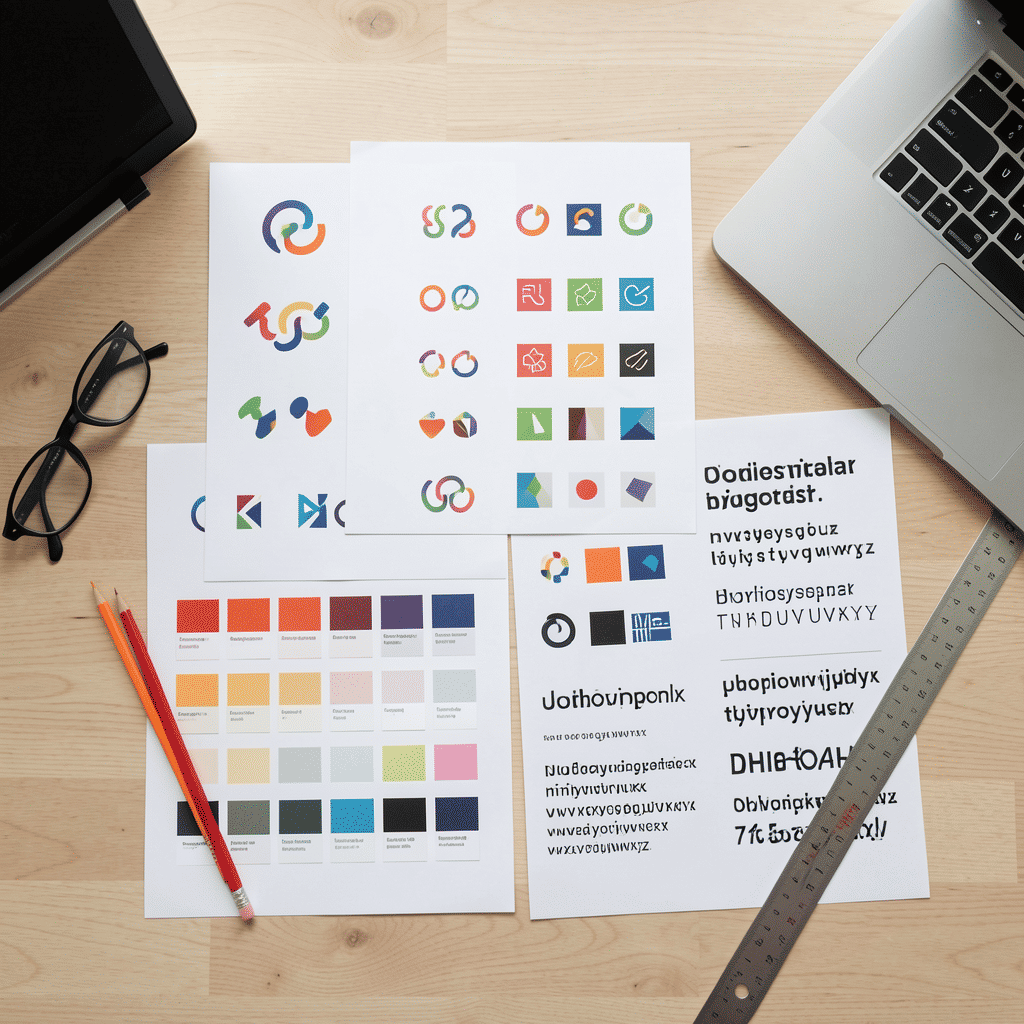
In today's digital landscape, brand consistency stands as a cornerstone of successful business operations. A brand is more than just a logo or a tagline; it is the embodiment of an organization’s values, promises, and customer experience. Maintaining your brand's integrity across all digital platforms is crucial, as it ensures that your audience receives a cohesive message that reinforces your brand identity and helps build trust and recognition.
The digital realm is vast and rapidly evolving, with platforms such as social media, websites, mobile applications, and email marketing each offering unique opportunities and challenges. In this ever-changing environment, ensuring brand consistency can be daunting. However, by implementing strategic design solutions and maintaining a structured approach, businesses can achieve uniformity in their messaging and visual presentation.
Firstly, establishing clear brand guidelines is essential. These guidelines should cover all elements of your brand identity, including logo usage, color schemes, typography, tone of voice, and imagery styles. They should serve as the definitive resource for anyone creating content for your brand, ensuring that no matter who is communicating on behalf of your brand, all outputs align with the overarching brand identity.
Consistency in visual design is another critical aspect. Visual components are often the most immediately recognizable elements of a brand, and maintaining their uniformity can significantly enhance brand recall. Utilizing templates for common designs—such as social media posts, email templates, and web pages—can help in maintaining a consistent look and feel. Customizable templates ensure that while individual pieces can cater to specific needs or messages, they still adhere to the broader brand framework.
Moreover, it's vital to tailor your design approach based on specific platforms. Each digital channel has its own set of best practices and audience expectations. For instance, Instagram favors visually engaging content, while content on LinkedIn might require a more professional tone and appearance. By customizing your content to fit the norms of each platform while still adhering to brand guidelines, you ensure that your brand communicates effectively across diverse spaces without losing its core essence.
Regular audits of your brand's digital presence can also play an instrumental role in maintaining consistency. These audits help to identify any discrepancies or deviations from the brand standards and allow for timely corrections. This proactive approach ensures that as new content is developed, it remains aligned with your brand’s image.
Employee engagement and training is another factor that cannot be overlooked. Everyone involved in the content creation process should have a strong understanding of the brand guidelines and how to implement them. Regular workshops or training sessions can help keep teams updated on any changes or new strategies in branding.
Furthermore, open channels of communication between departments can prevent silos where one section of a business might unknowingly diverge from the brand strategy. Collaborative tools and platforms that facilitate seamless communication can support interdepartmental transparency and consistency.
In conclusion, maintaining brand consistency across all digital platforms requires careful planning, structured guidelines, and ongoing effort. By investing time and resources into defining and adhering to branding standards, utilizing design solutions, and fostering a collaborative environment, businesses can ensure that their brand's integrity is upheld. With a consistent brand, companies are better equipped to build trust, foster loyalty, and create a memorable impact in the minds of their audience. Consistency, after all, is not just about uniformity; it's about reliably delivering what your brand promises every single time.